Shaving is a daily ritual for many men, but for those with breakout-prone or acne-prone skin, it can quickly turn into a source of irritation, razor bumps, ingrown hairs, and new pimples. The friction, bacteria, and micro-tears from shaving can worsen existing acne and trigger fresh breakouts. The good news? With the right technique, tools, and aftercare, you can achieve a clean shave while keeping your skin calm and clear.
Why Shaving Causes Breakouts
- Razor Burn & Irritation: Dull blades, shaving against the grain, or dry shaving damage the skin barrier.
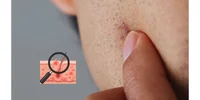
- Ingrown Hairs (Pseudofolliculitis Barbae): Common in men with curly or coarse hair. Shaved hairs curl back into the skin, causing inflamed bumps that look like acne.
- Bacteria & Clogged Pores: Dirty razors or heavy, comedogenic shaving creams trap oil, dead skin, and bacteria.
- Aggravation of Existing Acne: Shaving over active pimples can rupture them and spread inflammation.
Step-by-Step: How to Shave Safely with Breakout-Prone Skin
- Prep Your Skin (Critical Step)
- Shave after a warm shower or apply a warm, damp washcloth for 2–3 minutes to soften hair and open pores.
- Gently cleanse with a mild, non-comedogenic cleanser (ideally one with salicylic acid to help prevent ingrown hairs).
- Optional: Use a gentle exfoliant 2–3 times a week (avoid on active breakouts).
- Choose the Right Tools
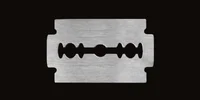
- Razor: Sharp single or double-blade razor. Avoid multi-blade razors if they cause irritation. Consider an electric foil razor for sensitive skin.
- Shaving Product: Oil-free, fragrance-free, non-comedogenic shave gel or cream. Avoid alcohol-based products.
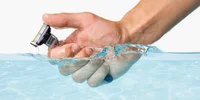
- Clean your razor thoroughly before and after each use.
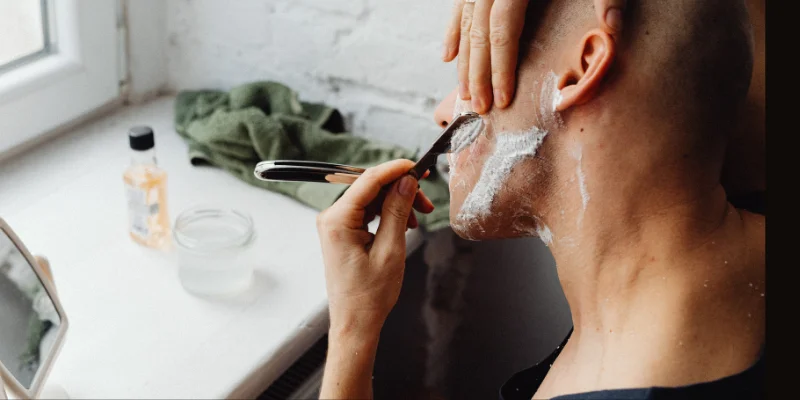
- Shaving Technique
- Shave with the grain (direction of hair growth) — never against it on the first pass.
- Use light pressure — let the razor do the work.
- Rinse the blade frequently.
- If needed, re-lather for a second pass, but keep it gentle.
- Avoid shaving over active, inflamed pimples.
- Post-Shave Care
- Rinse with cool water to close pores.
- Pat dry gently (no rubbing).
- Apply a soothing, lightweight, non-comedogenic moisturizer with ingredients like niacinamide, centella, or ceramides.
- Use a spot treatment with benzoyl peroxide or salicylic acid if needed.
- Avoid alcohol-based aftershaves — they dry out and irritate skin.
Products mentioned
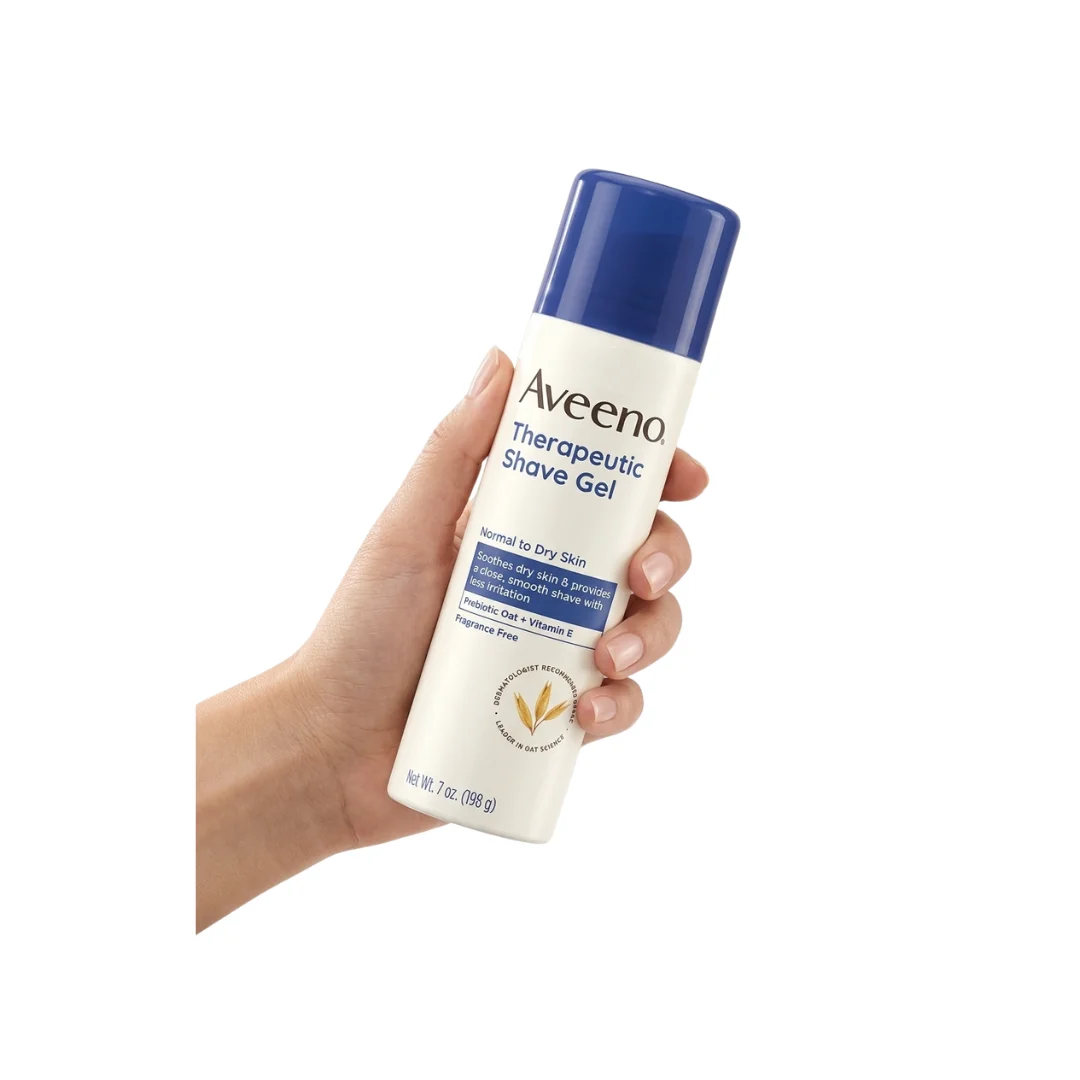
The Aveeno Therapeutic Shave Gel
View productAdditional Tips for Men with Breakout-Prone Skin
- Shave less frequently if possible (every other day).
- Change blades regularly — dull blades increase irritation.
- For severe acne, consider trimming with an electric trimmer instead of a close shave.
- Keep hands and towels clean to avoid transferring bacteria.
- Stay consistent with your overall skincare routine (cleanser, treatment, moisturizer, sunscreen).
Overnight Recovery Tip: If you experience razor burn, apply a thin layer of soothing balm and avoid touching your face.
When to See a Dermatologist
If you have persistent cystic acne, painful razor bumps, scarring, or signs of infection, consult a dermatologist. They can recommend prescription treatments or evaluate for conditions like folliculitis.
Strong, clear skin starts with smart habits. By treating your shaving routine as part of your skincare, you’ll reduce breakouts and feel more confident.
Disclaimer: This article is for informational purposes only and is not a substitute for professional medical advice. Consult a dermatologist for persistent skin concerns.
Sources & further reading
American Academy of Dermatology (AAD): How to Shave and Razor Bump Prevention. https://www.aad.org/public/everyday-care/skin-care-basics/hair/how-to-shave
Healthline: Shaving with Acne – Safe Techniques. https://www.healthline.com/health/acne/shaving-with-acne
MDacne: Dermatologist Tips for Shaving with Acne. https://www.mdacne.com/article/how-to-shave-when-you-have-acne-10-dermatologist-tips?srsltid=AfmBOoralfvZklJtHuBp0eiTBCVRipWrLFUp4L8UdPic6ZCKqRCnmpQE
Cleveland Clinic: Razor Burn Causes and Treatment. https://my.clevelandclinic.org/health/diseases/23583-razor-burn
Additional expert guidance from dermatology sources on pseudofolliculitis barbae and acne-friendly shaving. https://www.aad.org/public/everyday-care/skin-care-basics/hair/razor-bump-prevention