✂️ Ingrown Facial Hairs: How to Prevent and Manage Them
Ingrown hairs are a common grooming concern for men, especially those with curly or coarse hair. These pesky bumps can be painful, unsightly, and frustrating - but with the right habits, they’re manageable and preventable.
🔎 What Are Ingrown Hairs?
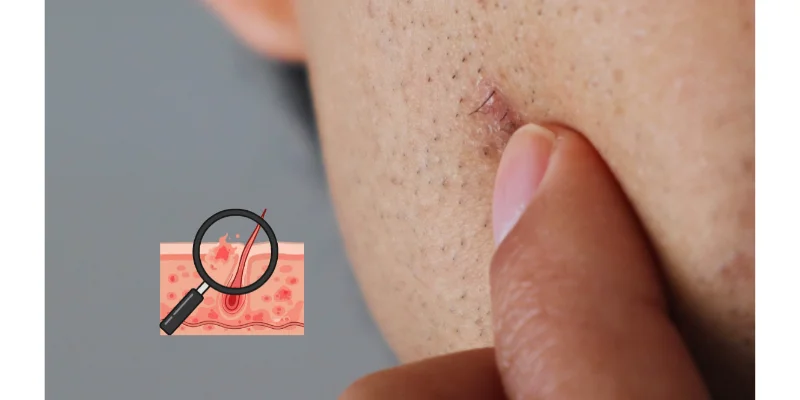
An ingrown hair happens when a hair curls back or grows sideways into the skin instead of rising up. This often leads to redness, irritation, and small bumps that resemble pimples. Shaving is the most common trigger, especially around the beard, neck, and jawline.
Men with tightly curled hair are more prone to ingrowns, particularly after shaving.
🛠️ How to Treat Ingrown Facial Hair
If you’re already dealing with them:
- Pause shaving: Give skin time to recover.
- Warm compress: Softens skin and helps coax hairs closer to the surface.
- Gentle exfoliation: Use mild scrubs or chemical exfoliants to clear dead skin.
- Sterile tools: If the hair is visible, carefully tease it out with clean tweezers — never dig.
- Soothing products: Aloe vera, witch hazel, or tea tree oil can calm irritation.
Products mentioned
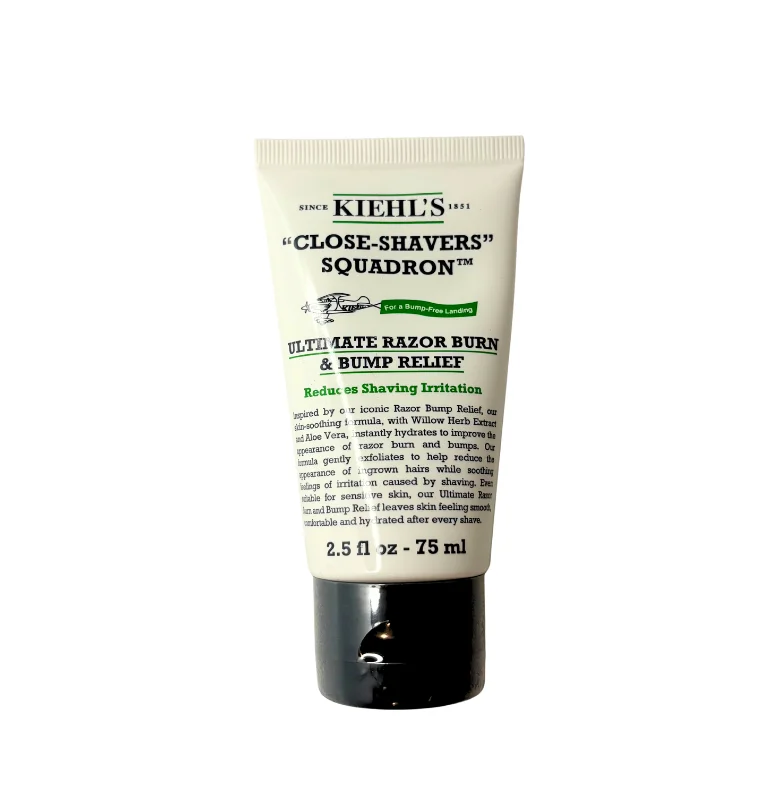
Kiehl’s Razor Burn & Bump Relief
View product🧼 How to Prevent Ingrown Facial Hair
Prevention starts with better shaving and skincare habits:
- Prep your skin: Wash with warm water and a gentle cleanser before shaving.
- Sharp, clean razor: Dull blades tug and increase risk.
- Shave with the grain: Reduces irritation and prevents hairs from curling inward.
- Don’t stretch the skin: Let the razor glide naturally.
- Moisturize daily: Hydrated skin is less prone to irritation. Look for lightweight, non‑comedogenic formulas with soothing ingredients like aloe or niacinamide.
🧔 Final Thoughts
Ingrown hairs are frustrating, but they don’t have to be a constant battle. With consistent skincare, smart shaving techniques, and a little patience, you can reduce flare‑ups and keep your skin clear and comfortable.
Sources & further reading
- Ingrown hair: Causes, symptoms, and treatment – Medical News Today: https://www.medicalnewstoday.com/articles/71702
- Pseudofolliculitis barbae (razor bumps) – Mayo Clinic: https://www.mayoclinic.org/diseases-conditions/razor-bumps/symptoms-causes/syc-20350306
- Management of Pseudofolliculitis Barbae – Journal of Clinical and Aesthetic Dermatology (JCAD): https://www.ncbi.nlm.nih.gov/pmc/articles/PMC6585396/
- How to prevent and treat razor bumps – Harvard Health Publishing: https://www.health.harvard.edu/diseases-and-conditions/how-to-prevent-and-treat-razor-bumps