

You carefully apply a new moisturizer, serum, or shaving cream… and a few days later, small bumps start showing up. It’s frustrating, especially when the product promised clearer, smoother skin. So why does this happen?
Here’s a clear breakdown of the most common reasons.
1. Clogged Pores (Comedogenic Ingredients)
Some ingredients are more likely to block pores. When pores get clogged with oil, dead skin cells, and product residue, you get whiteheads, blackheads, or small acne-like bumps.
Common comedogenic ingredients include:
- Coconut oil and certain heavy plant oils
- Some silicones and thick butters
- Lanolin and isopropyl myristate in higher concentrations
Even “natural” products can cause this if they’re too rich for your skin type.
2. Skin Barrier Disruption and Irritation
Harsh ingredients can weaken your skin barrier. When the barrier is compromised, the skin becomes inflamed and reacts by forming tiny bumps, redness, or rough texture.
Frequent triggers:
- High concentrations of alcohol
- Strong fragrances and essential oils
- Aggressive exfoliating acids used too often
- Alkaline soaps or harsh cleansers
This type of reaction is especially common in people with sensitive or already compromised skin.
3. Allergic or Sensitivity Reactions
Your immune system may treat certain ingredients as threats. This can show up as itchy, red, or raised bumps (contact dermatitis). Reactions can appear within hours or after several days of use.
Products mentioned
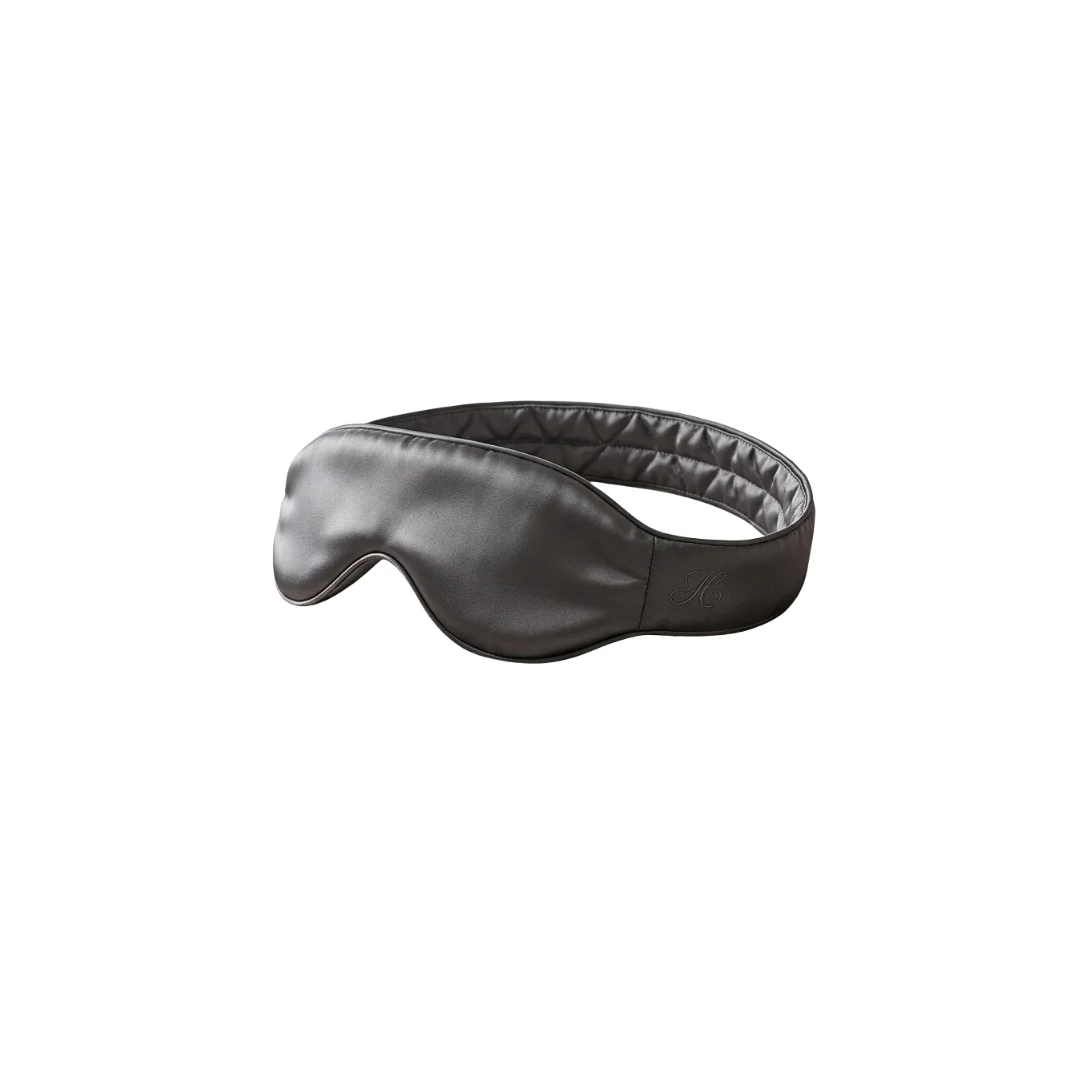
The 100% Natural Silk Eye Mask
View product4. Folliculitis or “Product-Related” Bumps
Some products (especially thick creams, oils, or leave-on treatments) can trap bacteria or yeast around hair follicles. This leads to small, sometimes pus-filled bumps that look like acne but are actually inflamed follicles. Shaving products can sometimes contribute if they leave residue or irritate the skin.
5. Fungal Acne (Malassezia Folliculitis)
Certain oils and esters feed the yeast that lives on our skin. When this yeast overgrows, it creates uniform, itchy bumps that don’t respond to normal acne treatments. This is more common in humid climates or on oily skin.
How to Tell What’s Causing the Bumps
- Sudden breakout after a new product → likely the new formula
- Bumps only where you applied the product → points to that specific product
- Itchy or burning sensation → more likely irritation or allergy
- Small, uniform bumps that don’t form classic whiteheads → possible fungal acne
What You Can Do
- Patch-test new products on a small area for a few days
- Check ingredient lists for known pore-cloggers or irritants
- Simplify your routine temporarily (gentle cleanser + lightweight moisturizer)
- Avoid layering too many new products at once
- If bumps persist or worsen, stop the product and consider seeing a dermatologist
Not every product works for every skin type. What feels luxurious on one person can clog or irritate another. Paying attention to how your skin responds, and choosing formulas designed for your specific needs, makes a noticeable difference.
Sources & further reading
- DermNet NZ – Malassezia Folliculitis. Dermatologist-authored overview. Describes uniform itchy papules/pustules without comedones, risk factors (occlusion from emollients/sunscreens, humidity, oily skin, antibiotics), and differentiation from bacterial acne. Based on clinical observation and established mycology literature. https://dermnetnz.org/topics/malassezia-folliculitis
- Cleveland Clinic – Fungal Acne (Malassezia Folliculitis). Clinical summary of yeast overgrowth in hair follicles, triggers including oil-based products and occlusion, and how it differs from common acne. Draws on dermatologic practice and referenced studies. https://my.clevelandclinic.org/health/diseases/24341-fungal-acne
- Henning et al. (2023). Position statement: Recommendations on the diagnosis and treatment of Malassezia folliculitis. Journal of the European Academy of Dermatology and Venereology, 37(7), 1268–1275. Expert consensus from the EADV Mycology Task Force. Provides evidence-based diagnostic criteria and management recommendations, noting occlusion by emollients as a predisposing factor and the characteristic monomorphic presentation. https://doi.org/10.1111/jdv.18982 (or https://onlinelibrary.wiley.com/doi/10.1111/jdv.18982)
- DermNet NZ – Contact Reactions to Cosmetics. Details irritant and allergic contact dermatitis from fragrances, preservatives, and other cosmetic ingredients. Notes that reactions can appear hours to days after use and recommends patch testing. Supported by clinical dermatology experience and allergen data. https://dermnetnz.org/topics/contact-reactions-to-cosmetics
- American Academy of Dermatology – Contact Dermatitis (patient resources) and related AAD pages on symptoms and diagnosis. Explains irritant vs. allergic contact dermatitis from soaps, fragrances, preservatives, and personal-care products. Based on clinical guidelines and observed patterns in dermatology practice. https://www.aad.org/public/diseases/eczema/types/contact-dermatitis/causes
- Medscape / eMedicine – Malassezia (Pityrosporum) Folliculitis. Reviews pathogenesis (lipophilic yeast requiring free fatty acids), role of occlusion by lotions/cosmetics/oils, clinical features, and differential diagnosis. Incorporates published case series and pathophysiologic studies. https://emedicine.medscape.com/article/1091037-overview
- DermNet NZ – Folliculitis (and related emollient pages). Notes that occlusive moisturizers, ointments, and thick leave-on products can cause or aggravate sterile folliculitis through physical blockage or irritation. Supported by clinical observation of product-related follicular reactions. https://dermnetnz.org/topics/folliculitis
- Classic and modern references on comedogenicity (Fulton scale and reviews) Fulton JE et al. original rabbit-ear assay work (widely cited in dermatology). Contemporary summaries confirming high ratings for isopropyl myristate (often 4–5) and coconut oil (typically 4) appear in dermatology ingredient reviews and clinical practice literature (e.g., referenced in comedogenicity charts used by dermatologists). These ratings correlate with clinical observations of pore-clogging and comedone formation in susceptible individuals.