
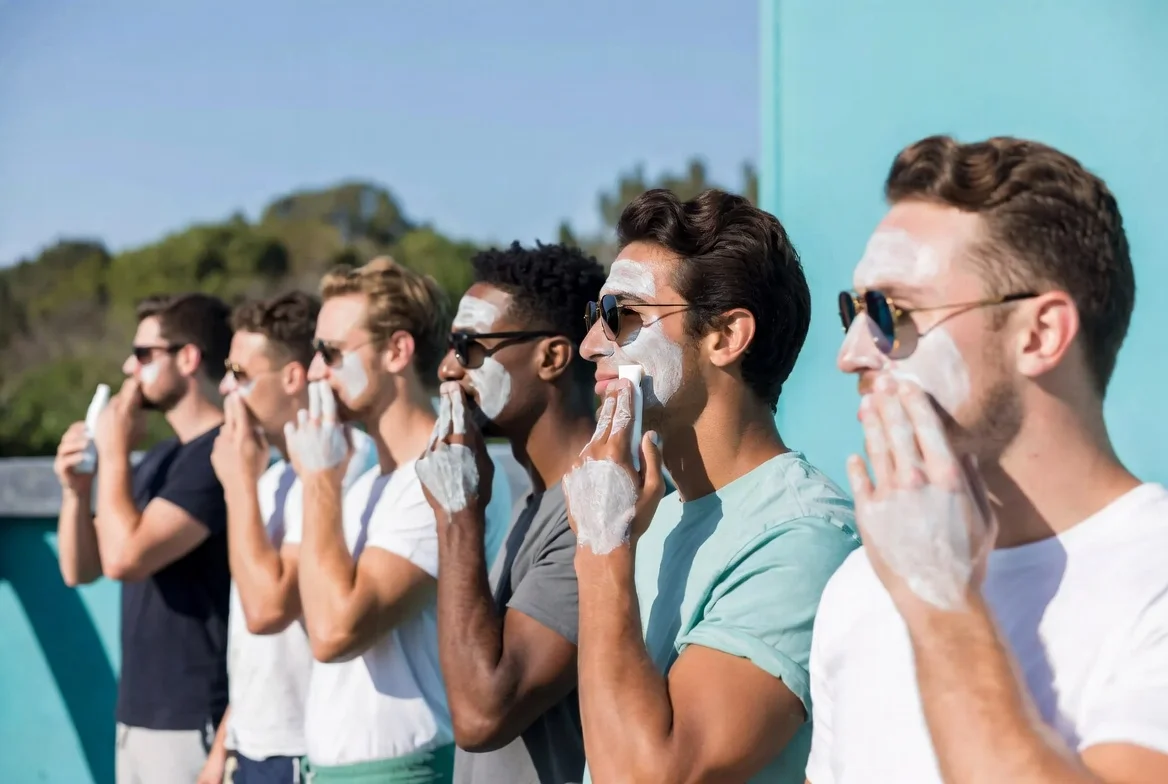
Sunscreen isn’t just about protection, it’s also about the right tone. The right formula should feel good, look natural, and fit seamlessly into your daily routine. Different skin tones can experience sunscreen differently, so choosing wisely makes all the difference.
Why Skin Tone Matters
- Lighter skin tones: White cast is usually less noticeable, but lightweight, invisible finishes still make daily application easier.
- Medium skin tones: A chalky or ashy residue can show more easily, so sheer, tinted, or well-formulated options blend better.
- Deeper skin tones: White cast is the biggest concern. Modern chemical, hybrid, and tinted mineral sunscreens often provide the most natural look.
Products mentioned
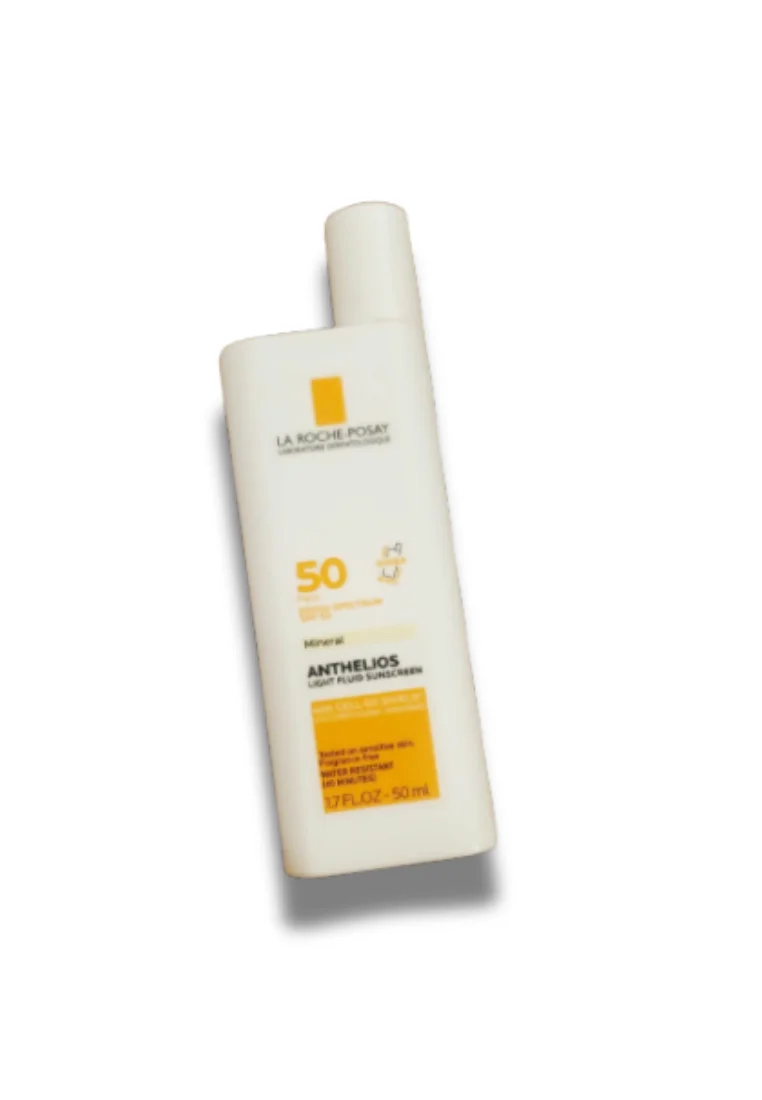
La Roche-Posay Anthelios Sunscreen SPF 50
View productTypes of Sunscreens
- Mineral (Physical): Uses zinc oxide and/or titanium dioxide. Very gentle and effective immediately upon application. Newer micronized and tinted versions have greatly reduced the white cast issue, though it can still occur with some formulas.
- Chemical: Absorbs UV rays and typically blends invisibly into the skin, making them a popular choice for medium to deeper tones.
- Hybrid: Combines both mineral and chemical filters for balanced protection and a smoother, more elegant finish.
Tips for Choosing the Right One
- Check the finish: Matte for oily/combination skin, dewy or hydrating for dry skin, sheer for everyday wear.
- Consider tinted versions: These often blend better across skin tones and can provide light coverage while adding iron oxides for extra visible light protection.
- Test before committing: Apply a small amount on your jawline or neck in natural light to check for blendability and cast.
- Think about your lifestyle: Water-resistant formulas for active/outdoor days; lightweight, non-greasy options for daily urban use.
- Prioritize broad-spectrum SPF 30+: Protection comes first — comfort and appearance help with consistent use.
Confidence in Every Shade
Sunscreen isn’t one-size-fits-all. It’s about finding a formula that works with your skin tone, skin type, and lifestyle. When sunscreen feels good on your skin, you’re far more likely to use it every day, and that’s the real win for long-term skin health.
Always choose at least broad-spectrum SPF 30+ and reapply every 2 hours when outdoors. Consult a dermatologist for personalized advice.
Sources & further reading
- Consumer Reports – “Best Sunscreens for People With Dark Skin” (tested on multiple skin tones for white cast and appearance). https://www.consumerreports.org/health/sunscreens/best-sunscreens-for-people-with-dark-skin-a3894284440/
- Cleveland Clinic – “The Importance of Sunscreen for Dark Skin Tones”. https://health.clevelandclinic.org/sunscreen-for-black-people
- American Academy of Dermatology (AAD) – Sun protection guidelines for all skin tones. https://www.aad.org/public/everyday-care/sun-protection
- Skin of Color Society – Sunscreen selection recommendations. https://skinofcolorsociety.org/discover-patients-public/public-education/sunscreen-selection
- WebMD – “How to Find Sunscreens Without a White Cast”. https://www.webmd.com/beauty/how-to-find-sunscreens-without-a-white-cast
- PMC / National Institutes of Health – “Sunscreen recommendations for patients with skin of color”. https://pmc.ncbi.nlm.nih.gov/articles/PMC8072489/
- Byrdie & Allure – Mineral vs. chemical sunscreen comparisons for different skin tones. https://www.byrdie.com/mineral-vs-chemical-sunscreen-11922989