
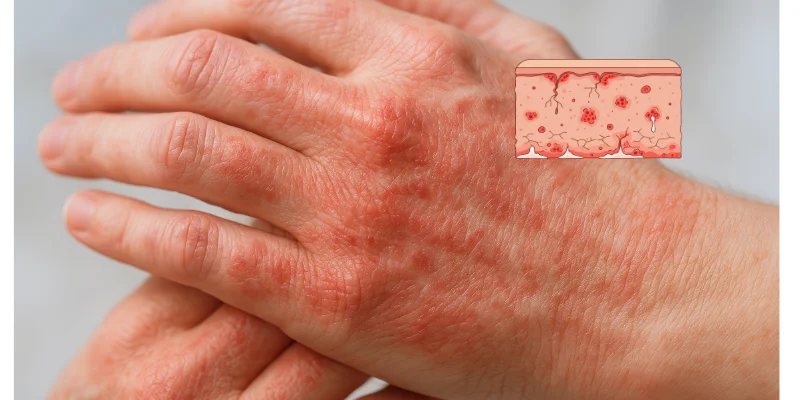
Eczema, also known as atopic dermatitis, is a chronic skin condition that causes dry, itchy, and inflamed skin. While it affects people of all genders, men often experience it on areas like the hands, face, neck, and scalp due to shaving, manual work, or harsher grooming habits. It can be frustrating and impact confidence, but with consistent care, most men can achieve significant relief and clearer skin.
Common Symptoms
- Intense itching (often worse at night)
- Dry, cracked, or scaly skin
- Red, inflamed patches (may appear darker or grayish on darker skin tones)
- Rough, thickened skin from chronic scratching
- Oozing, crusting, or bleeding in severe flares
- Common locations: hands (especially for those in manual jobs), face, elbows, knees, and neck
Men with eczema may also notice worsening from shaving irritation or sweat during workouts.
What Causes or Triggers Eczema?
Eczema results from a combination of genetics, immune system overactivity, and environmental factors. It is not contagious. Common triggers include:
- Harsh soaps, detergents, and fragranced products
- Frequent handwashing or exposure to chemicals/solvents
- Dry weather, heat, or sweat
- Stress
- Allergens (dust mites, pollen, certain foods)
- Wool or synthetic fabrics
Products mentioned
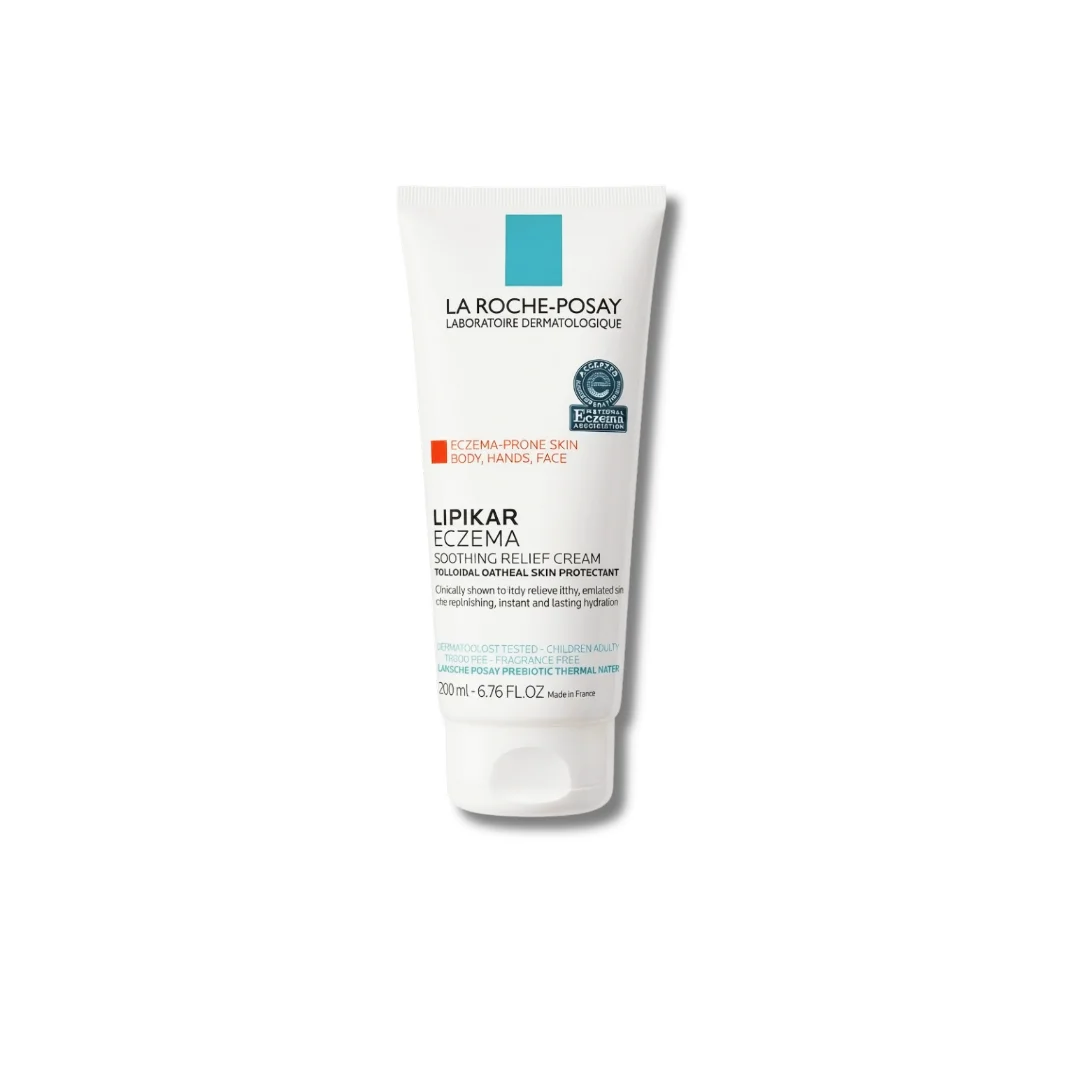
La Roche-Posay Lipikar Eczema Cream
View productDaily Treatment Routine for Men
Focus on repairing the skin barrier and reducing inflammation.
1. Gentle Cleansing
- Use fragrance-free, soap-free cleansers or emollient washes.
- Avoid hot showers — opt for lukewarm water and short baths.
- Pat dry gently instead of rubbing.
2. Moisturize Religiously This is the foundation of eczema management. Apply thick, fragrance-free moisturizers (ointments or creams with ceramides or colloidal oatmeal) multiple times a day, especially right after bathing while skin is damp.
Overnight Tip: Apply a heavy moisturizer or ointment on hands and wear cotton gloves while sleeping.
3. Manage Flares
- Topical steroids: Use over-the-counter hydrocortisone for mild flares or prescription-strength as directed by a doctor.
- Non-steroid options: Tacrolimus, pimecrolimus, or newer treatments like crisaborole for sensitive areas like the face.
- Antihistamines for itch relief at night.
4. Advanced Options (for Moderate to Severe Cases)
- Phototherapy (light treatment)
- Oral or injectable medications (e.g., dupilumab)
- Wet wrap therapy for intense flares
Lifestyle and Prevention Tips
- Identify and avoid personal triggers (keep a journal).
- Use a humidifier in dry environments.
- Wear breathable cotton clothing and protective gloves for chores.
- Manage stress through exercise, sleep, or mindfulness.
- Shaving: Use a sharp razor, shave with the grain, and follow with a soothing, non-irritating balm.
- Diet: Some men benefit from reducing common triggers like dairy or alcohol, though results vary.
When to See a Dermatologist
Seek professional help if:
- Symptoms interfere with sleep or daily life
- Signs of infection (increased redness, pus, fever)
- Over-the-counter treatments aren’t enough
- You suspect it’s affecting your eyes or genitals
Early treatment prevents worsening and skin thickening.
Final Thoughts
Eczema is a manageable condition, not a reflection of poor hygiene. Consistent gentle skincare and trigger avoidance can transform your skin and confidence. Many men see major improvements within weeks of building better habits.
Disclaimer: This article is for informational purposes only and is not a substitute for professional medical advice. Consult a dermatologist for diagnosis and personalized treatment.
Sources & further reading
Cleveland Clinic: Eczema Overview, Symptoms & Treatment. https://my.clevelandclinic.org/health/diseases/9998-eczema
Mayo Clinic: Atopic Dermatitis (Eczema) – Symptoms and Causes. https://www.mayoclinic.org/diseases-conditions/atopic-dermatitis-eczema/symptoms-causes/syc-20353273
National Eczema Association: Treatments and Hand Eczema Guidance. https://nationaleczema.org/treatments/
American Academy of Dermatology (AAD): Atopic Dermatitis Guidelines. https://www.aad.org/member/clinical-quality/guidelines/atopic-dermatitis
NHS: Atopic Eczema Management. https://www.nhs.uk/conditions/atopic-eczema/