

Blemishes are a common skin concern for many men. Whether it's occasional pimples, persistent acne, dark spots, or redness, they can affect confidence and how you present yourself. The good news? With the right knowledge and routine, you can significantly minimize them.
What Are Skin Blemishes?
Skin blemishes refer to any mark, spot, or imperfection on the skin that disrupts its smooth, even appearance. Common types include:
- Acne blemishes: Pimples, blackheads, whiteheads, pustules, and cysts.
- Post-inflammatory hyperpigmentation: Dark spots left behind after a pimple heals.
- Redness and inflammation: Often from irritated pores or shaving.
- Scars or texture issues: From picking or severe breakouts.
These are especially noticeable on the face, back, chest, and shoulders where oil glands are most active.
Common Causes of Blemishes in Men
Several factors contribute to blemishes:
- Excess Oil (Sebum) Production — Hormones like testosterone can ramp up oil production, clogging pores.
- Clogged Pores — Oil mixes with dead skin cells, dirt, and bacteria.
- Bacteria — Cutibacterium acnes thrives in clogged pores and causes inflammation.
- Changes — Stress, puberty, or even workout cycles can trigger breakouts.
- Lifestyle Factors — Poor diet (high sugar/dairy), lack of sleep, stress, and not shaving/cleaning properly.
- External Triggers — Harsh products, not removing sweat after workouts, or sun exposure (which can worsen dark spots).
Genetics also play a big role — if your dad had acne, you might be more prone to it.
Products mentioned
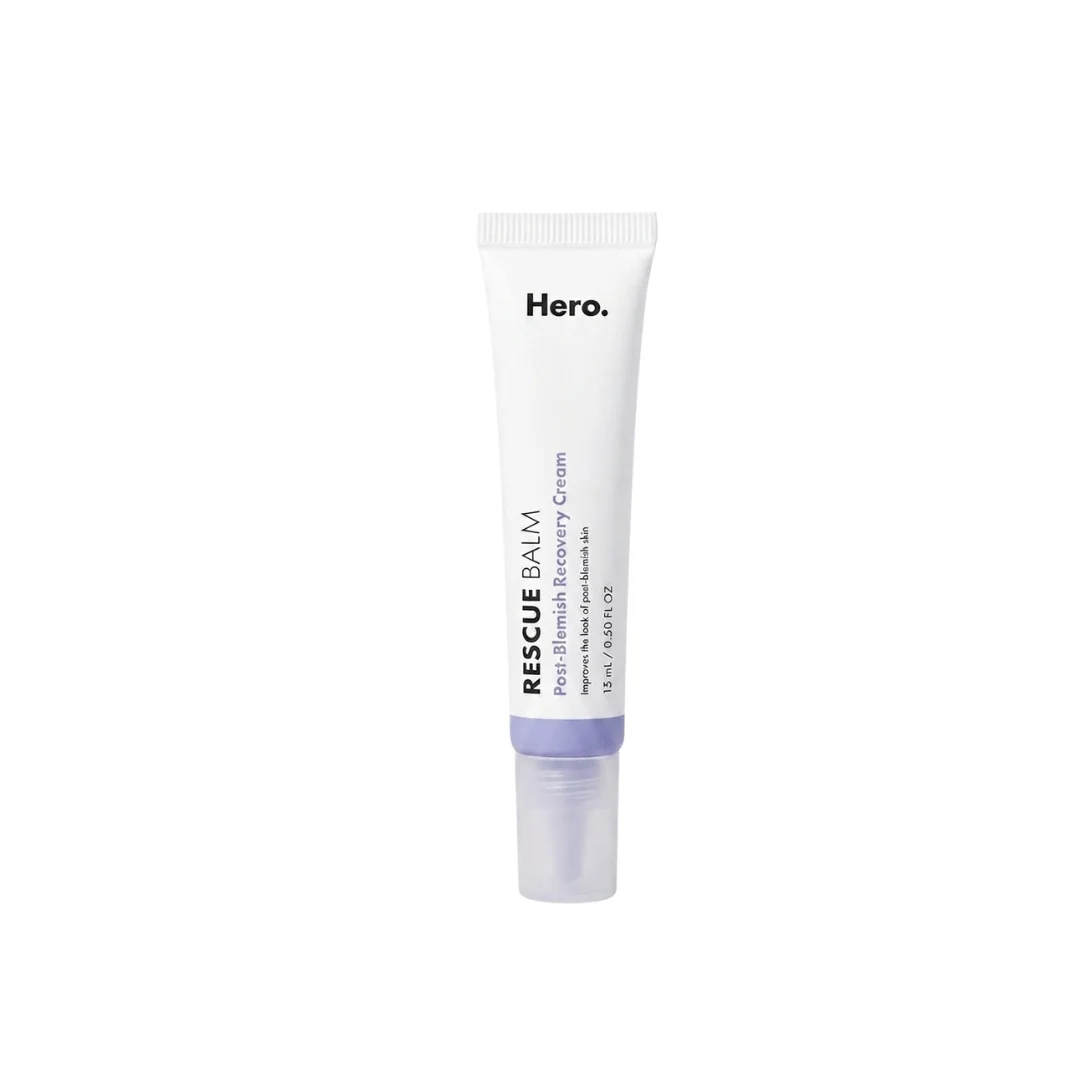
Hero Rescue Balm
View productHow to Minimize and Prevent Blemishes
Consistency is key. Focus on gentle, effective habits rather than harsh treatments that can irritate skin and cause more issues.
Daily Skincare Routine Basics
- Cleanse Twice a Day: Morning and night with a gentle, non-comedogenic cleanser. Avoid harsh scrubbing.
- Exfoliate Smartly: Use ingredients like salicylic acid (BHA) 2–3 times a week to unclog pores without over-drying.
- Moisturize: Even oily skin needs hydration. Look for lightweight, oil-free formulas to prevent your skin from overproducing oil.
- Sunscreen Daily: Broad-spectrum SPF 30+ protects against darkening of spots and premature aging.
Key Ingredients That Work
Salicylic Acid: Penetrates pores to dissolve oil and dead skin.
- Benzoyl Peroxide: Kills acne-causing bacteria (start low to avoid irritation).
- Retinoids (like Adapalene): Unclog pores, reduce inflammation, and fade dark spots over time.
- Niacinamide: Calms redness, regulates oil, and brightens skin.
- Azelaic Acid: Good for both acne and pigmentation.
Lifestyle Tips for Clearer Skin
- Stay hydrated and eat a balanced diet low in processed sugars.
- Change pillowcases regularly and avoid touching your face.
- Don’t pick or pop pimples — this leads to scars and dark spots.
- Manage stress through exercise, sleep, and relaxation.
- After workouts, cleanse sweat off promptly.
When to See a Professional
If over-the-counter options aren’t enough after 6–8 weeks, or if you have severe acne/cysts, consult a dermatologist. They can prescribe stronger treatments and rule out underlying issues.
Final Thoughts
Clearer skin is achievable with patience, consistency, and the right tools. Blemishes don’t define you — taking care of your skin is one of the best investments in your confidence and long-term health.
Sources & further reading
- Healthline: "What Are Blemishes, and How Can You Get Rid of Them?" https://www.healthline.com/health/what-are-blemishes
- L'Oréal Paris: Skin Blemishes Guide. https://www.lorealparisusa.com/beauty-magazine/skin-care/skin-care-concerns/what-are-blemishes-on-face
- Cleveland Clinic: Acne Overview. https://my.clevelandclinic.org/health/diseases/12233-acne
- Mayo Clinic: Acne Symptoms and Causes. https://www.mayoclinic.org/diseases-conditions/acne/symptoms-causes/syc-20368047
- American Academy of Dermatology (AAD): Various acne and skincare resources. https://www.aad.org/public/diseases/acne/diy/skin-color
- Northwestern University/JAAD Study on Skincare Ingredients. https://www.jaad.org/article/S0190-9622(25)00612-7/abstract